We talk a lot about representation
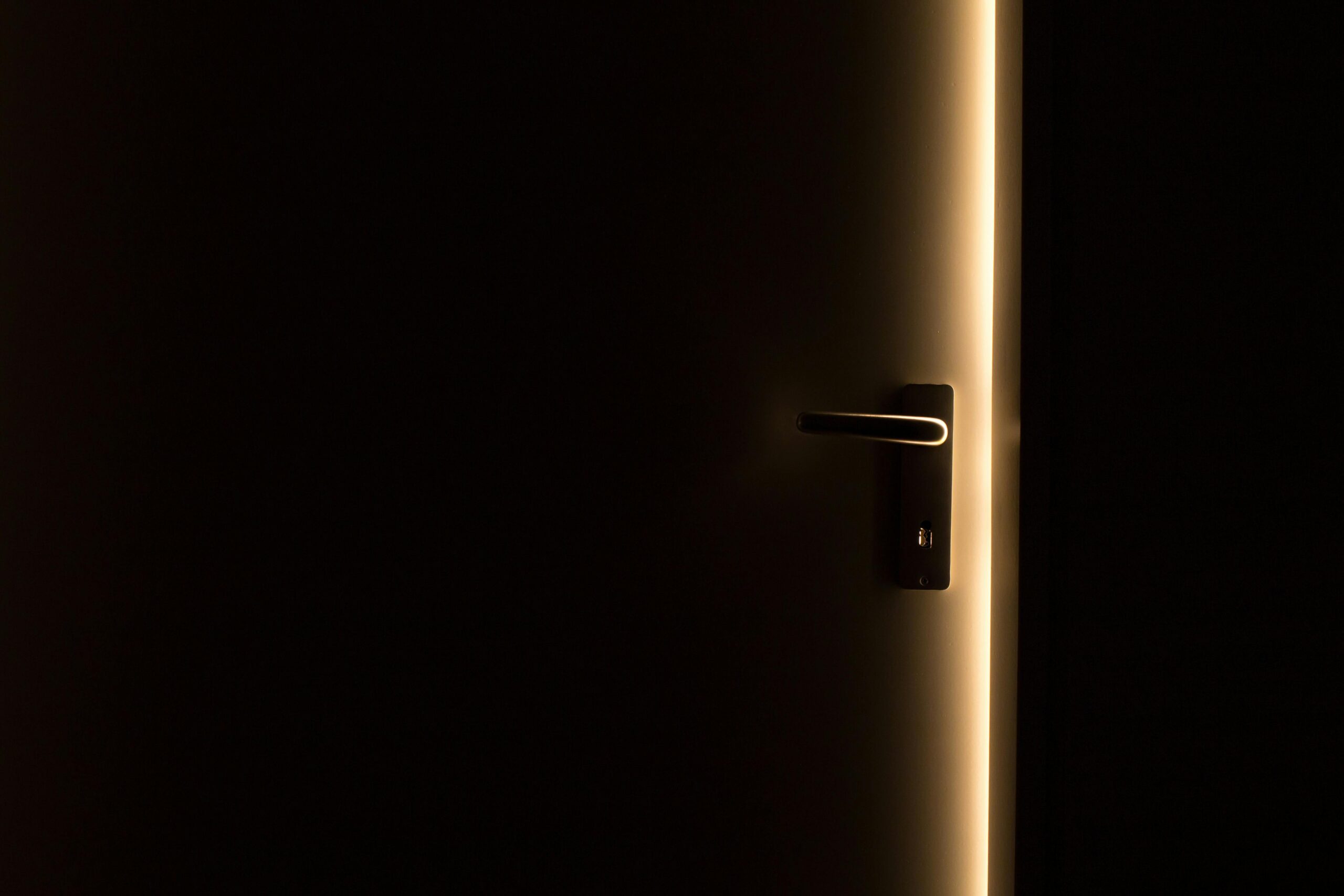
And yes, it matters. Seeing someone who looks like you, who moves like you, who maybe shares a part of your story in spaces where you’ve never seen yourself before can shift something. It can inspire. It can feel like proof that the door is finally open.
But lately, I’ve been asking myself:
What happens after you walk through that door?
Because here’s the truth:
Representation without understanding isn’t enough.
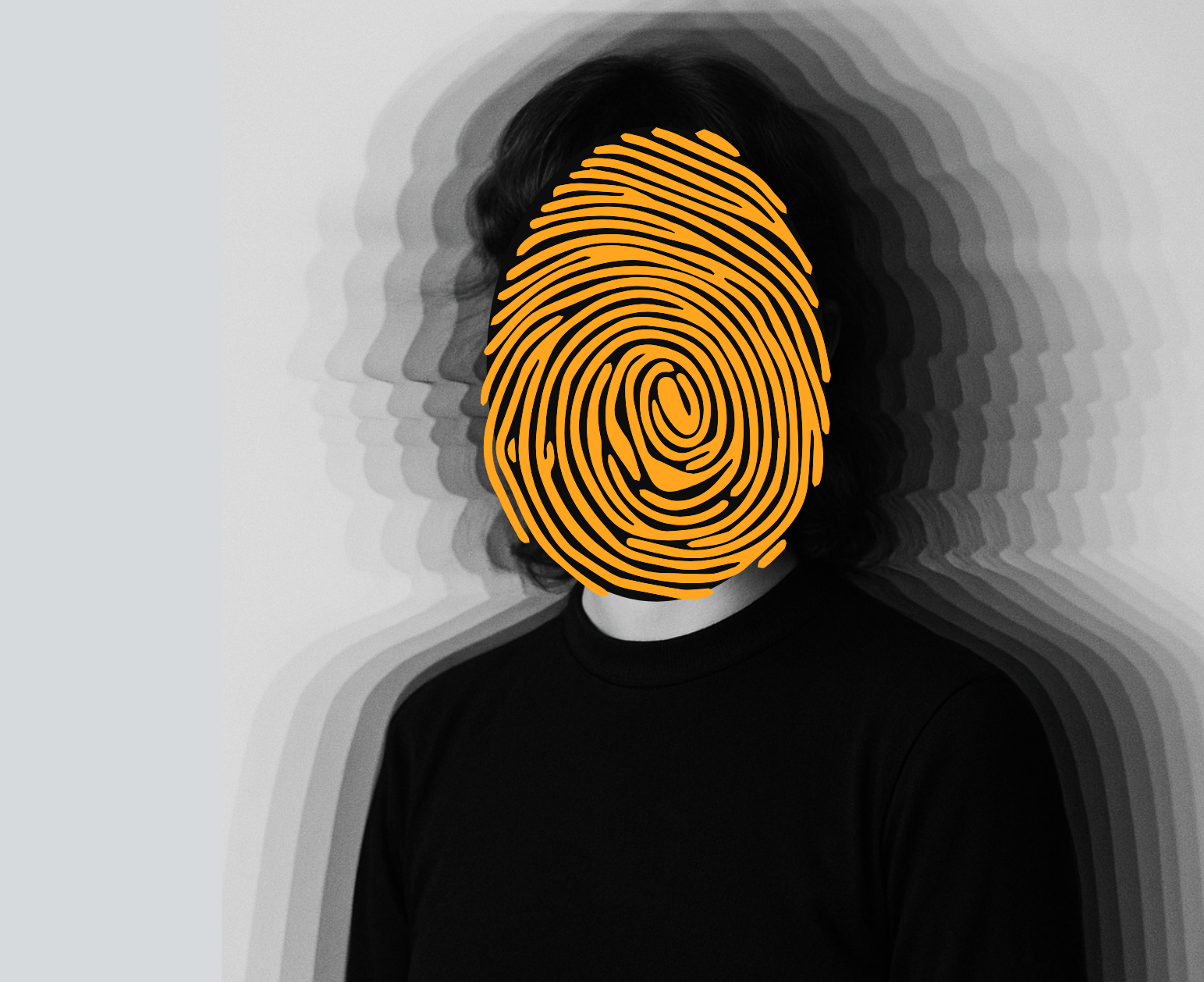
You can be in the room but still feel invisible. Included, but not fully understood. Heard, but only when your words feel comfortable.
When representation feels hollow
In many spaces — professional, social, even casual — diversity is often highlighted. Sometimes it’s even celebrated. But openness doesn’t always follow.
I’ve been in rooms where I was the only Black person. The only woman of color. The only one who sounded different. In those moments, it wasn’t just about being invited. It was about the quiet pressure that came with it.
There’s often an expectation to speak on behalf of others, to explain, to smooth things over, or to help people make sense of things they’ve never had to think about. It’s not always unkind. But it’s often heavy.
This shows up in dinner parties, on Zoom calls, and in the way someone says, “We’d love your perspective.” Without real curiosity or a willingness to be uncomfortable, representation turns into performance: a gesture, not a shift.
The quiet cost of being “The Only One”
Being the “first” or the “only” often comes with a weight no one talks about. You carry silent expectations. You work harder to come across as neutral or agreeable so that your presence doesn’t seem like a challenge.
And often, the hardest part isn’t getting in. It’s what happens once you’re there.
- Are you allowed to be your full self?
- Can you speak honestly without being labeled difficult or emotional?
- Can you say, “That didn’t sit right with me,” and still be trusted?
If the answer is no, then inclusion is still out of reach.
Representation without understanding doesn’t remove the barriers. It just makes them harder to name.
When DEI efforts stay on the surface
In the past decade, we’ve seen a rise in DEI and GDI initiatives. There have been statements, training sessions, and task forces. Some of it has been deeply meaningful. Some of it has been mostly noise.
And in early 2025, we saw how fragile those efforts can be. Executive orders from the Trump administration targeting DEI in federal spaces sent a clear signal. The ripple effects extended to the private sector too.
Some companies quietly erased race- and gender-specific language from their websites. Others disbanded inclusion teams, not because they no longer cared, but because the work became politically risky.
That’s the problem with symbolic change. It rarely holds when it’s tested.
Real inclusion asks more
You can’t create inclusion by bringing people into systems that weren’t built with them in mind. You have to ask deeper questions:
- Who created the rules?
- What do we define as professional, qualified, or a good fit?
- Who gets the benefit of the doubt, and who doesn’t?
If we never examine those things, we aren’t building inclusive spaces. We’re simply asking people to adapt, to blend in, to be less of themselves.
Inclusion asks us to rethink what we take for granted. It asks us to make space for difference, not to flatten it.
What understanding truly looks like
Understanding doesn’t mean we always agree. It means we slow down and really listen. It means we approach others with curiosity, not to fix or label, but to connect.
We ask:
- What am I missing?
- What might this person carry that I’ve never had to consider?
- How can we make space for different ways of thinking, leading, and showing up?
Understanding allows complexity and empathy. It makes room for the full picture, not just the easy parts.
What I hope for
I’ve lived and worked across cultures, sectors, and continents, from early-stage ventures to international nonprofits and global teams. Along the way, this journey hasn’t just shaped how I think. It has shaped how I show up. It has stretched my empathy and sharpened my awareness. I’ve seen how systems define what’s valuable, who gets heard, and what belonging is supposed to look like. I’ve felt the quiet tension between being visible and truly feeling included.
And yet, I’ve also had the chance to meet people. Colleagues, mentors, even strangers who go beyond representation. People who make space, who listen without rushing, who see you without asking you to shrink, and who lead with warmth, honesty, and care.
They remind me that inclusion is not just policy. It’s lived. It’s practiced. And it makes a difference.
The spaces we move through shape us. But too often, we are asked to reshape ourselves to survive them.
I want more than that. I want to work and build in places where:
- difference is expected, not just tolerated
- I don’t have to hide or edit parts of myself to be accepted
- my voice isn’t just heard, it’s heard with care
- belonging isn’t something I have to earn through extra labor
Because being seen should never cost your sense of safety. And no one should have to represent an entire group while hiding half of who they are.
Representation is a beginning. Understanding is the work. Belonging is the goal.


Laisser un commentaire